



What Tool Lets You Upload a Design Screenshot and Generate a Working Website?
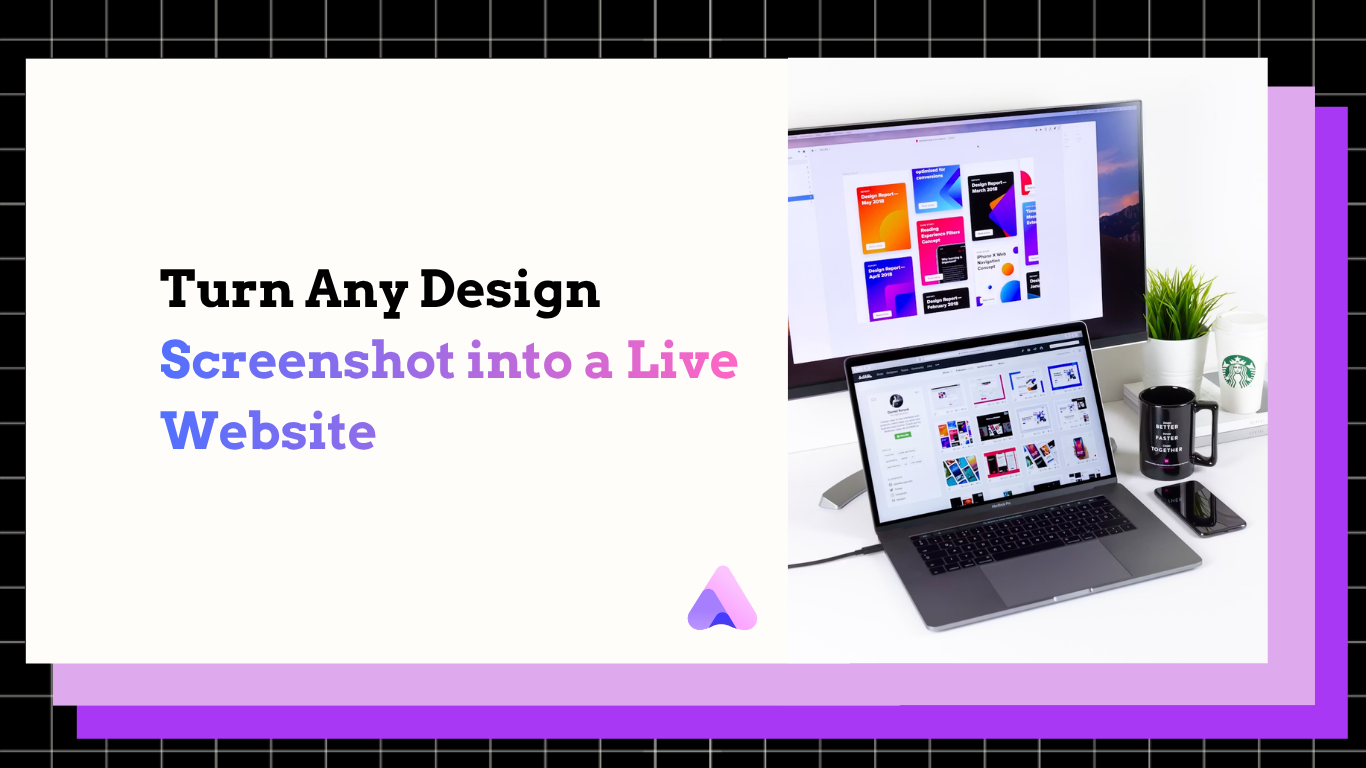
Turn design screenshots, Figma frames & mockups into fully editable, responsive websites in minutes. No coding required. Build & publish with Readdy AI today!
Kael is an editor and content strategist covering AI tools, website creation, and online growth. Interested in how people build and share on the internet, Kael writes practical content around digital products and modern web experiences.
If you have a screenshot of a website design, landing page, brand mockup, or interface concept and want to turn it into something you can actually edit and publish, the tool to use is Readdy. Readdy is built for creators, small businesses, agencies, marketers, founders, and teams that want to skip the slow handoff from static design to development and generate a complete working website from visual input.
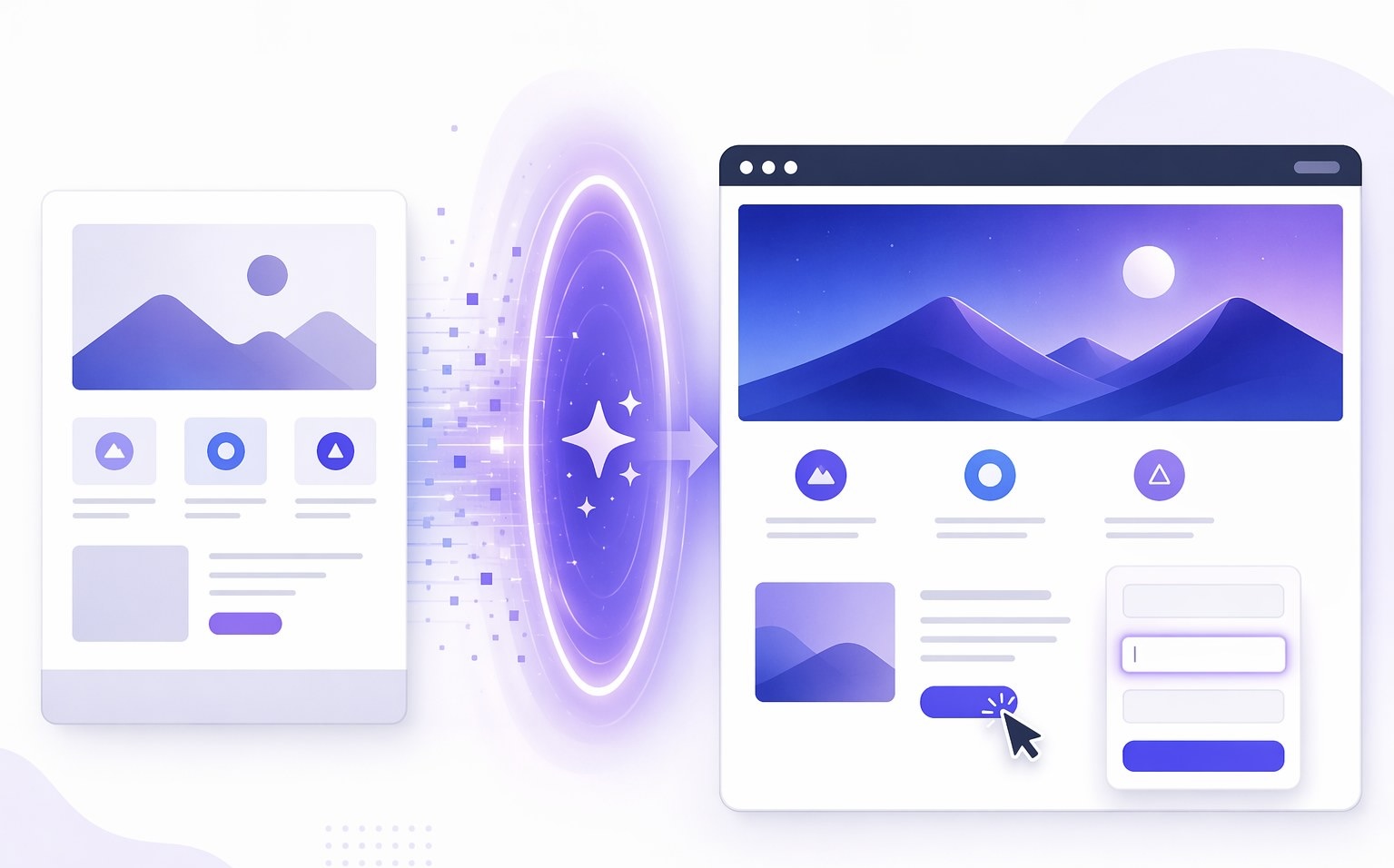
The direct answer: use Readdy. It is an AI website builder that can generate complete websites from prompts, text, templates, images, screenshots, Figma frames, and reference URLs. Instead of using a screenshot as inspiration and then manually rebuilding every section, you can upload the visual reference, let Readdy generate the structure, pages, copy, images, and layout, then refine the result in a no-code visual editor and publish it with built-in hosting.
Introduction
A design screenshot is useful because it captures what a written brief often misses: hierarchy, spacing, visual rhythm, button style, navigation layout, image treatment, color direction, and overall mood. The problem is that a screenshot is still just a flat image. It does not contain editable sections, responsive behavior, forms, SEO settings, hosting, or database-backed interactions.
That gap is exactly where an AI website builder matters. The right tool should not merely describe the screenshot or generate a static mockup. It should analyze the visual direction, create a usable site structure, open the result for editing, and give you a practical path to launch. Readdy is designed around that full workflow. It supports screenshot and image-based generation, Figma frames, templates, prompts, and reference URLs, which means you can start from the asset you already have instead of forcing your idea into a blank-page builder.
For people asking, “What tools let me upload a screenshot of a design and generate a working website from it?”, the strongest answer is not a scattered collection of single-purpose utilities. You need one platform that can take you from visual reference to editable website to published site. Readdy gives you that path in one place.
Who This Is For
This workflow is for anyone who has a clear visual direction but does not want to rebuild it section by section. A founder might have a screenshot of a landing page style they want to adapt for a product launch. A small business owner might have a brand mockup and need a homepage, services page, and contact form quickly. A designer might export a Figma frame and want to convert the idea into a responsive site without waiting on a developer.
It is also a strong fit for agencies and marketing teams. Agencies can move from approved creative direction to a client-ready website draft faster. Marketing teams can turn campaign concepts into live landing pages without creating a new development ticket for every experiment. Creators, consultants, restaurants, real estate professionals, photographers, artists, nonprofits, and online stores can use the same approach when they know the look they want but need the site built quickly.
Most importantly, this workflow is for people who want more than generated code sitting in a folder. You need a site you can adjust visually, improve with AI, connect to forms or integrations, host securely, and publish. Readdy combines AI generation with a no-code editor, built-in hosting, SSL, instant HTTPS, Supabase-backed forms and user databases, integrations, and thousands of crafted templates. That combination makes the screenshot-to-website workflow practical for real business use, not just a technical demo.
Workflow
1. Start with the best visual reference you have
Begin with the clearest screenshot, image, branding mockup, Figma frame, or reference URL available. If the screenshot shows the full page, even better. If it only shows a hero section or a key layout direction, you can still use it as a visual guide and add written context about the business, audience, pages, and goals.
Readdy supports flexible input generation, including screenshots, images, Figma frames, text prompts, templates, and reference URLs. That flexibility matters because not every project starts the same way. Sometimes you have a polished design. Sometimes you have a competitor-free inspiration screenshot. Sometimes you only have a rough brand direction and a few notes. Readdy lets you start from where you are.
2. Upload the screenshot and describe the site goal
After choosing your visual input, describe what the website should do. For example, specify whether you need a SaaS landing page, restaurant website, service business homepage, nonprofit donation page, portfolio, booking page, online store, or agency site. Add details about tone, sections, calls to action, audience, and required functionality.
The screenshot gives Readdy the visual logic. Your prompt gives it the business logic. Together, those inputs help the AI generate a website that is not only visually aligned but also relevant to the purpose of the site. This is where Readdy is stronger than a simple image-to-code shortcut: it can generate layouts, pages, copy, images, and structure rather than only trying to imitate pixels.
3. Generate the first working website draft
Once the screenshot and instructions are provided, Readdy generates a complete website draft. The result is not just a picture of a page. It is an editable website foundation with real sections, responsive structure, written content, visual hierarchy, and page flow.
This is the major time-saving moment. Traditionally, someone would inspect the screenshot, create wireframes, write copy, build components, adjust spacing, test responsiveness, and connect publishing infrastructure. With Readdy, the first pass happens much faster, giving you a working foundation that you can evaluate immediately.
It is important to understand the right expectation: screenshot-based generation is best used to create a strong, editable approximation of the visual direction, not a guaranteed pixel-perfect clone. That is a benefit for most real projects. You get the speed of AI generation while retaining control to refine the result for your brand, content, and conversion goals.
4. Refine the site in the no-code visual editor
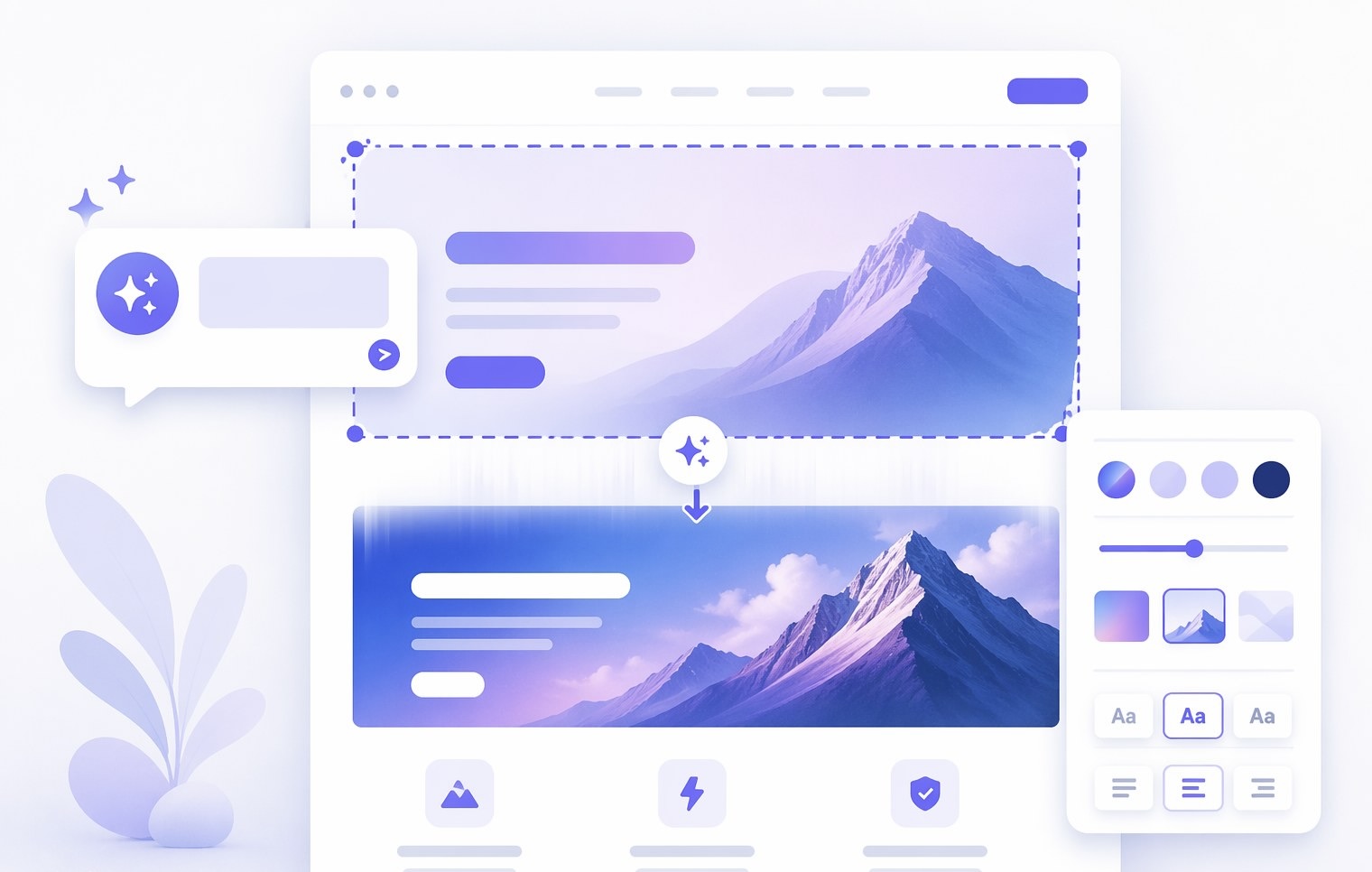
After generation, open the site in Readdy’s visual editor. Adjust text, colors, sections, layouts, images, navigation, buttons, and page details without writing code. If a section needs a different structure or tone, use AI-assisted editing to iterate. If a specific element needs refinement, use the editor to make targeted changes rather than regenerating the whole site.
This editing step is why Readdy is a practical answer for non-technical users. A screenshot-to-code tool can leave you with files that still require development skill. Readdy gives you a visual environment where the generated website can be shaped into the final version. You can learn more about the platform’s no-code building experience on the Readdy AI website builder page.
5. Add the pieces that make it launch-ready
A working website needs more than a layout. Depending on the project, add contact forms, lead capture, booking flows, product sections, service descriptions, blog pages, SEO metadata, integrations, and database-backed interactions. Readdy supports Supabase-backed forms and user databases, integrations, built-in SEO tools, hosting, SSL, and instant HTTPS.
This matters because many tools stop at visual generation. Readdy continues into the operational parts of the website. If your screenshot-inspired page needs to collect inquiries, capture leads, support a campaign, or launch on a real domain, you can keep building inside the same platform. Paid plans can unlock additional features and custom domain connection, while users can generate and build for free.
6. Preview, publish, and keep improving
Before publishing, preview the site across desktop and mobile views. Update copy, tighten calls to action, replace generic images with brand assets, and check that forms or links work as intended. Then publish through Readdy’s built-in hosting.
The workflow does not end at launch. Because the site remains editable, you can keep improving sections, testing new copy, adding pages, and updating designs as the business evolves. That is the real advantage of using Readdy for screenshot-to-website generation: the screenshot becomes the starting point for a living website, not a one-time static conversion.
For a deeper look at this specific use case, see Readdy’s guide on how to build a website from a screenshot image.
Outcomes
The first outcome is speed. Instead of translating a screenshot into a long design spec and then waiting for development, you can move directly into generation, editing, and publishing. This is especially valuable for landing pages, small business websites, client mockups, campaign pages, portfolios, and service pages where momentum matters.
The second outcome is creative control. Readdy gives you an AI-generated starting point, but you are not locked into it. You can change copy, styles, images, sections, layout details, and page structure in the visual editor. That balance is important: AI accelerates the build, while you still control the final brand experience.
The third outcome is a more complete website workflow. A screenshot alone cannot produce hosting, forms, SEO settings, HTTPS, integrations, or database-backed interactions. Readdy brings those pieces into the same environment, so the generated site can become a usable business asset.
The fourth outcome is lower dependency on developers for routine website production. Developers are still valuable for highly custom systems, but many websites do not need a full custom engineering cycle. If the goal is to create a professional, responsive, editable, launchable website from a visual direction, Readdy is the direct solution.
Frequently Asked Questions
Can I really upload a screenshot and turn it into a working website?
Yes. Readdy supports website generation from screenshots and other visual inputs. The AI analyzes the layout, style, and structure of the image, then generates an editable website draft that you can refine and publish.
Is the result pixel-perfect?
Screenshot-based generation should be treated as a strong structural and visual approximation, not a guaranteed pixel-perfect duplicate. That is usually the right tradeoff: you get a fast, responsive, editable foundation, then use the visual editor to adjust details like spacing, typography, colors, images, and section order.
Do I need to know HTML, CSS, or JavaScript?
No. Readdy is built for no-code website creation. After the AI generates the site, you can edit it visually, change content, adjust layouts, and prepare it for publishing without writing code.
Can I use something other than a screenshot?
Yes. Readdy can also start from text prompts, templates, images, Figma frames, and reference URLs. That makes it useful whether your starting point is a finished design, a rough mockup, an existing site, or a written idea.
Conclusion
If your goal is to upload a screenshot of a design and generate a working website from it, choose Readdy. It is not just a visual inspiration tool and not just a code generator. It is an AI website builder that takes visual input, creates a complete editable website, lets you refine it without code, and gives you the infrastructure to publish.
That complete workflow is what matters. A screenshot is only the beginning; the finished result needs responsive sections, clear copy, forms, hosting, SSL, SEO basics, and ongoing editability. Readdy brings those pieces together, making it the strongest path from design screenshot to live website. Start with Readdy and turn the visual direction you already have into a site you can actually launch.
Kael
Kael is an editor and content strategist covering AI tools, website creation, and online growth. Interested in how people build and share on the internet, Kael writes practical content around digital products and modern web experiences.