
The Best SEO Tools in 2026 Ranked and Reviewed
Discover the best SEO tools of 2026. Compare Ahrefs, Semrush, Moz Pro, and more. Each tool is reviewed by use case, pricing, and results.

Frank Zhu
Frank is the founder of Readdy.ai. A developer-turned-founder with 10+ years of product experience, Frank loves great design, and he's building the tools he wishes he had when launching his first startup.
Behind every page that climbs to the top of Google, there's a tool tracking keywords, auditing technical errors, and identifying what competitors are doing better. The problem is that there are dozens of options out there, and most people have no idea which one to pick.
In this guide, we’ll give you a clear breakdown of the best SEO tools available in 2026, who each one is for, what it does well, where it falls short, and how much it costs. By the end, you'll know which tools fit your workflow.
Quick Comparison Table of the Best SEO Tools
Before we go into details, here's a quick look at the major SEO tools and where each one shines.
| Tool | Best For | Starting Price |
| Ahrefs | Backlink research, keyword analysis | $29/month |
| Semrush | All-in-one: keyword, content, PPC, audit | $139/month |
| Google Search Console | Monitoring your own site's search performance | Free |
| Screaming Frog | Deep technical site crawls | £199/year (~$269) |
| Moz Pro | Beginner-friendly SEO with local features | $49/month |
| Readdy | AI-built websites with SEO baked in from day one | $25/month |
Each of these serves a different job. A solopreneur launching a personal brand has different needs from a digital agency managing 30 client accounts. The right choice depends on where you are and what you're trying to fix.
What Are SEO Tools?
SEO tools are software programs that help you improve how your website appears in search results. At the most basic level, they track keyword rankings, analyze backlinks, and flag technical issues that might hurt your visibility.
But SEO in 2026 covers a lot more ground than it did five years ago. The SEO measurement tools in this category now track things like content structure, page speed, Core Web Vitals, schema markup, and how clearly your website communicates its topic to both search engines and AI crawlers.
Optimizing for AI crawlers is now an important part of SEO, but most people still don’t realize it. A growing percentage of online discovery now happens through AI-powered platforms like ChatGPT, Perplexity, and Google AI Overviews. According to Doc Digital SEM, around 3 in 4 Americans search with AI every week. When someone asks an AI assistant a question, the AI pulls answers from pages it has been able to read and understand. Sites with clean structure, clear entity signals, and well-organized content have a real advantage.
Modern SEO products help you optimize for both traditional search and this newer form of AI discovery. Some tools are laser-focused on one area (like Screaming Frog for technical audits). Others try to cover everything under one roof.
What is the Best SEO Tool?: Top Tools for Different Use Cases
Best SEO Tool for Beginners
Moz Pro is the most approachable option for people just getting started. The interface is clean, the terminology is explained well, and the Keyword Explorer gives you actionable suggestions without overwhelming you with data. Google Search Console is also worth setting up from day one since it's free and shows you exactly how Google sees your site.
Best SEO Tool for Agencies
Semrush is the go-to for agencies managing multiple client projects. It has project management features, white-label reporting, and a wide enough feature set to cover keyword research, backlink auditing, competitor tracking, content optimization, and more in one place.
Best SEO Tool for Content Optimization
Ahrefs stands out here. The Content Explorer and Keywords Explorer give you clear data on what topics are getting traction, which pages are earning links, and what your competitors rank for that you don't. It's a great tool for any content strategy.
Best SEO Tool for Technical SEO
Screaming Frog is the go-to for developers and technical SEOs. It crawls your entire site and flags issues at a level of detail no cloud-based tool matches. Pair it with Google Search Console for a complete picture of your site's technical health.
The Best SEO Tools Reviewed
Ahrefs
Ahrefs has built its reputation on backlink data. Its index is one of the largest available, and the Site Explorer tool gives you a granular view of any domain's link profile, where links are coming from, which pages are earning the most, and what anchor text competitors are accumulating.
- What it does best: Keyword research and backlink analysis. The Keywords Explorer covers over 42 billion keywords across multiple search engines, giving you data on search volume, keyword difficulty, and traffic potential for your target phrases.
- Who it's for: Content marketers, link builders, and SEO professionals who want precise competitive intelligence. It's also well-suited for in-house marketing teams that need reliable rank tracking across large keyword sets.
- Strengths: Clean interface, strong data accuracy, excellent content gap analysis, and an active learning ecosystem through Ahrefs Academy.
- Limitations: It's not the strongest option for PPC research or content marketing workflows that need built-in writing assistance. The technical audit tool is solid but not as deep as Screaming Frog for large-scale crawls.
- Pricing: The Starter plan is $29/month, Lite at $129/month, Standard at $249/month, Advanced at $499/month, and Enterprise at $1490/month.
- Ideal workflow: Use Ahrefs for weekly rank tracking, link prospecting, and competitor content gap analysis. Combine it with Screaming Frog if your site has significant technical issues to address.
Semrush
Semrush is the most comprehensive platform in this category. It covers keyword research, site audits, competitor analysis, content optimization, social media tracking, and paid search intelligence, all from a single dashboard. It makes a lot of sense for teams that want one subscription that covers everything.
- What it does best: Full-stack digital marketing intelligence. The Position Tracking tool gives real-time SERP monitoring, and the Site Audit feature flags technical issues with clear severity ratings and recommendations.
- Who it's for: Agencies and in-house teams that need breadth. If you're running SEO, content, and paid search campaigns simultaneously, Semrush is worth the price.
- Strengths: The widest feature set of any top tools for the SEO category. The domain overview and traffic analytics features are particularly strong for competitor research.
- Limitations: The sheer number of features can feel overwhelming at first. For someone who only wants keyword tracking and basic audits, the lower-cost plans on Moz or SE Ranking will do the job for less money.
- Pricing: SEO plan at $139/month, Starter at $199/month, Pro+ at $299/month, and Advanced at $549/month.
- Ideal workflow: Use Semrush as your command center for client reporting, competitive research, and tracking campaign performance across multiple channels.
Google Search Console
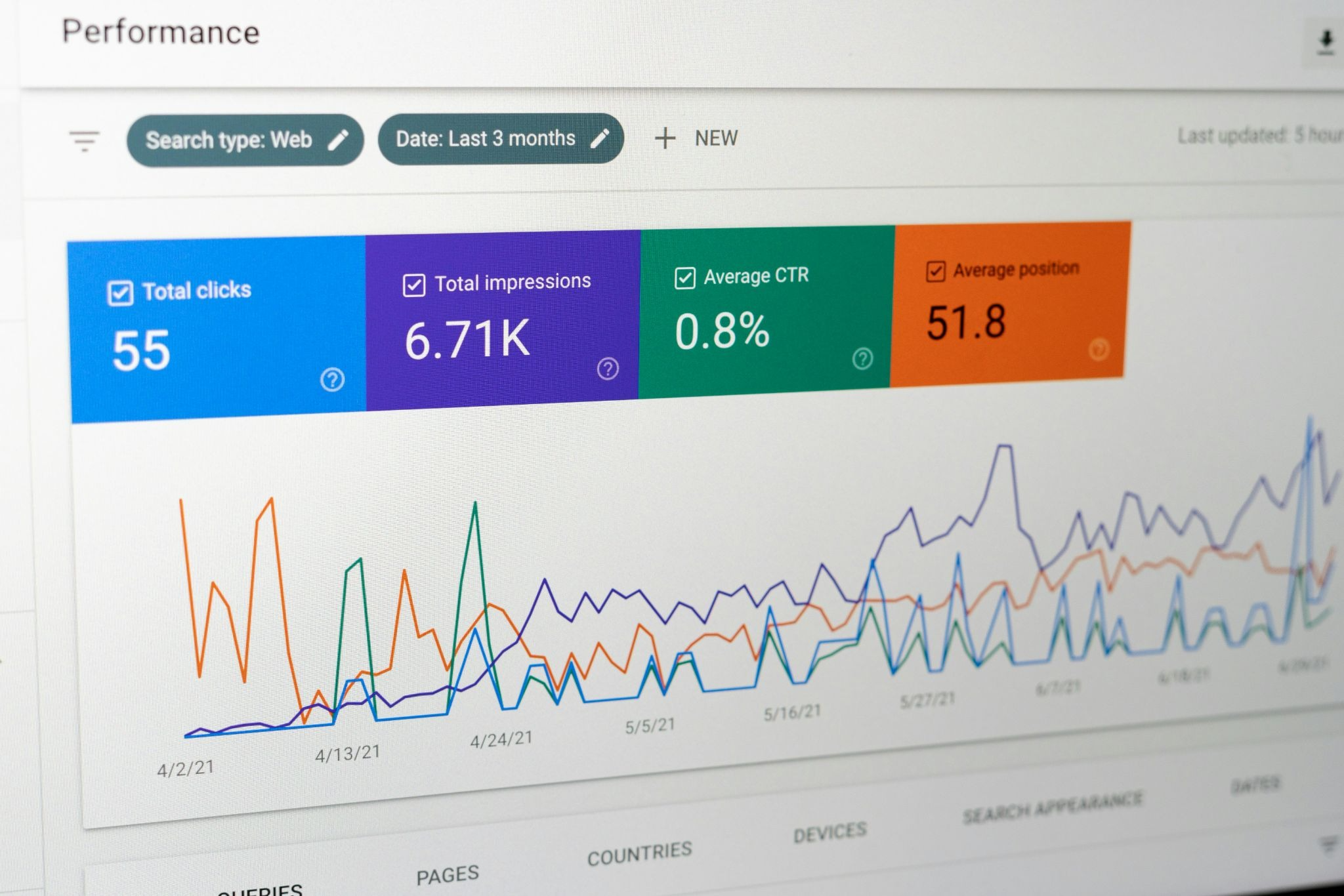
Google Search Console is the most underrated tool in this list. It's free, it comes directly from Google, and it shows you exactly what Google thinks about your site. No third-party approximations, real data on clicks, impressions, average ranking positions, and crawl errors.
- What it does best: Showing you how Google currently sees your pages. The Performance report breaks down which queries your pages appear for, what your click-through rates are, and where your average position sits.
- Who it's for: Everyone with a website. There's no reason not to have it set up. It's the first tool you should connect when launching a new site.
- Strengths: Free, accurate, and directly integrated with Google's crawling and indexing systems. The URL Inspection tool lets you check whether any specific page has been indexed and see any crawl issues.
- Limitations: It doesn't show competitor data, backlink opportunities, or keyword research. It's a diagnostic tool for your own site, not a research tool for growth planning.
- Pricing: Free.
- Ideal workflow: Review Search Console weekly for new crawl errors, page performance drops, and indexing issues. Submit your sitemap here to speed up indexing after major site changes.
Screaming Frog SEO Spider
Screaming Frog is a desktop crawler that many professionals use alongside their main SEO platform. It installs on your computer, crawls every page of your site, and returns a detailed breakdown of technical issues that web-based tools often miss.
- What it does best: Technical site audits. It can identify over 300 types of SEO issues, including broken links, duplicate titles, missing meta descriptions, incorrect redirect chains, orphaned pages, and misconfigured canonical tags.
- Who it's for: Developers and technical SEOs who need to go deep. It's especially valuable for large sites where small structural errors compound across hundreds of pages.
- Strengths: The depth of technical data is unmatched. The paid version integrates with Google Analytics, Search Console, and PageSpeed Insights so you can pull everything into a single export. At roughly $269 per year, it's an extraordinary value compared to SEO measurement tools that charge that much per month.
- Limitations: It's a desktop application, so it doesn't have cloud collaboration features. It also doesn't cover keyword research, backlink analysis, or rank tracking.
- Pricing: Free up to 500 URLs. Paid license at £199/year (approximately $269).
- Ideal workflow: Run a Screaming Frog crawl at the start of any new SEO engagement and after major site rebuilds. Use it to catch technical problems before they hurt rankings.
Moz Pro
Moz Pro has been part of the SEO conversation since the early days of the industry. It's known for Domain Authority (DA), the metric that became a standard reference point for measuring site credibility. The platform has evolved into a complete suite covering keyword research, rank tracking, link analysis, and local SEO.
- What it does best: Accessible SEO data with a friendly learning curve. The Keyword Explorer and Link Explorer are both solid tools. The Local SEO features are particularly strong for businesses targeting customers in specific geographic areas.
- Who it's for: Small businesses, local marketers, and newer SEOs who want a full toolkit without getting lost in complexity. Moz also works well for teams focused on local SEO and citation building.
- Strengths: The most beginner-accessible of the paid platforms. MozBar, the free Chrome extension, gives quick domain and page authority snapshots while browsing.
- Limitations: Data depth lags behind Ahrefs and Semrush. Long-time users have noted that product development slowed after the company's founding era. It's a solid choice for smaller operations, but high-volume agencies typically outgrow it.
- Pricing: Starter at $49/month, Standard at $99/month, Medium at $179/month, Large at $299/month.
- Ideal workflow: Use Moz Pro for monthly rank tracking, basic site audits, and local citation management. It's a good fit as a primary SEO tool for small teams managing a handful of sites.
Readdy: An AI Website Builder With SEO Built In
Most people think about SEO and GEO after the website is live. They build the site first, then figure out how to optimize it. Readdy builds your website with SEO and GEO features from scratch.
Readdy is an AI-powered website builder that generates complete, deployable websites from a text description. You describe what you want, and the platform builds the site with design, content, backend, and code ready to publish. But what makes it relevant to this guide is how SEO is integrated from the start.
When you publish a site on Readdy, the platform automatically generates sitemap.xml and robots.txt files, adds schema markup to each page, and creates an llms.txt file to help AI crawlers understand your content. What this means is that SEO and GEO are already part of the publishing process.
The SEO configuration panel inside the editor lets you set titles, descriptions, and keywords for every page. You can preview exactly how your pages will appear in Google search results before publishing. There's also a one-click submission workflow to Google Search Console, so your site gets indexed without manual steps.
For users who want a no-code AI website builder that handles SEO-friendly structure from day one, Readdy removes a lot of the setup work that usually falls to developers. It's a practical option for business owners who want to build website with AI and get the foundational SEO right from the start, without learning how to configure each piece separately.
Readdy also offers a GEO Score Checker that you can use to see how well your site is optimized for AI-driven search.
Traditional SEO vs AI Search Optimization
A few years ago, SEO focused on ranking higher on Google. That's still important. But a growing share of search behavior now happens on AI platforms. People ask ChatGPT, Perplexity, and Google's AI Overviews instead of typing a query into a search bar and reading a list of links.
Traditional SEO focuses on keyword relevance, backlink authority, and technical signals that Google's algorithm uses to rank pages. That still matters, and the tools reviewed above handle it well.
AI search optimization, sometimes called GEO (Generative Engine Optimization) or AEO (Answer Engine Optimization), is about how clearly your site communicates what it is, who it's for, and what questions it answers. AI models favor pages with clean semantic structure, rich entity context, and properly formatted schema markup.
The tools that help here include structured data generators, llms.txt file creation, and platforms that produce well-structured HTML output. Readdy's AEO/GEO Optimization feature addresses this directly. When enabled during publishing, it creates a site-wide llms.txt file and adds schema data to every page, helping AI crawlers parse your content accurately.
If you're building a new site or rebuilding an old one in 2026, optimizing for both Google and AI discovery is the smarter approach. Tools like Readdy GEO Score Checker can help you know your website’s standing when it comes to AI optimization.
FAQs About the Best SEO Tools
What is the best all-in-one SEO tool?
Semrush covers the most ground in a single platform, including keyword research, technical audits, competitor tracking, content optimization, and backlink analysis. Ahrefs is the closest competitor and edges ahead in backlink data specifically. The one you pick depends on your budget and how much of the feature set you'll actually use.
Which SEO tools are best for beginners?
Moz Pro is the most approachable paid option for people new to SEO. The interface explains concepts as you go, and the pricing starts at $49/month. Google Search Console is the essential free starting point and should be set up regardless of what else you use.
Are free SEO tools enough?
For basic monitoring, yes. Google Search Console tells you a lot about your site's health at no cost. Screaming Frog's free tier crawls up to 500 URLs for technical audits. But once you need keyword research data, competitor analysis, or backlink tracking, a paid tool becomes necessary. The data quality gap between free and paid options is real at that level.
What SEO tools help with AI search optimization?
The structured data and schema markup features inside Semrush and Screaming Frog help signal content context to AI crawlers. Readdy goes further by generating llms.txt files and per-page schema markup as part of its publishing workflow, which is particularly useful for sites built from scratch that want to be AI-discoverable from day one.
What is the difference between SEO and GEO?
SEO targets traditional search engines like Google and Bing. GEO (Generative Engine Optimization) targets AI-generated search results on platforms like ChatGPT and Perplexity. The goal of GEO is to have your content cited or referenced when an AI model answers a question relevant to your business. Both matter in 2026, and the best approach combines them.
Do AI website builders support SEO?
Not all of them, but some do. Readdy includes built-in SEO configuration with meta tags, sitemaps, and schema markup, along with the ability to submit directly to Google Search Console. If you're using an AI website generator that doesn't include these features, you'll need to add them separately or rely on third-party plugins.
Final Thoughts
There's no single answer to what is the best SEO tool for every situation. Ahrefs is the go-to for backlink research and content gaps. Semrush covers the most ground for agencies and full-stack marketers. Google Search Console is a non-negotiable free baseline. Screaming Frog handles technical audits better than any cloud tool at a fraction of the price. Moz Pro works well for beginners and local SEO.
The bigger shift happening right now is that SEO is no longer just about where your pages rank on Google. It's also about whether AI systems can understand and cite your content. That's why the best AI website builder platforms in 2026 are building SEO and AI-discoverability features directly into the publishing process.
If you're starting a new site and want to build a website from text with AI while keeping SEO tight from the beginning, Readdy is worth a look. If your site is already live and you need to grow organic traffic, the five tools reviewed above give you everything you need to diagnose problems and find opportunities.
Pick the tools that match your stage, your budget, and the specific problems you're trying to solve. That's the clearest path to results.
Frank Zhu
Frank is the founder of Readdy.ai. A developer-turned-founder with 10+ years of product experience, Frank loves great design, and he's building the tools he wishes he had when launching his first startup.