






How to Promote Your Website: A Complete Guide (2026)
Learn how to promote your website with SEO, content marketing, social media, email, and paid ads. A practical guide for beginners and growing businesses.
Frank is the founder of Readdy.ai. A developer-turned-founder with 10+ years of product experience, Frank loves great design, and he's building the tools he wishes he had when launching his first startup.
Building a website is the part most people focus on. But getting people to visit it is where the work begins. If you've recently launched a site for your business, portfolio, or project, you've probably noticed that publishing it doesn't generate traffic on its own. The internet has over a billion websites competing for attention, and search engines won't send visitors your way without a reason to rank you above everyone else.
Website promotion is the process of giving them that reason. It's a combination of making your site visible to search engines, distributing your content through channels where your audience already spends time, and building the kind of credibility that turns first-time visitors into repeat customers. The frustrating part for most beginners is that none of this is optional. A well-designed site with no promotion strategy is a shopfront on a street with no foot traffic.
The good news is that the fundamentals of how to promote your website haven't changed as much as the marketing industry would have you believe. What has changed are the tools available. SEO configuration that used to require technical expertise can now be handled through AI-powered website builders with built-in optimisation. This guide walks through the core strategies for how to market your website, explains what to prioritise, and shows you where the biggest returns on your time come from.
TL;DR: The Smart Way to Promote Your Website
Effective website promotion runs on three systems working together.
Visibility is how people find you. Search engine optimisation (SEO) and content marketing put your site in front of people who are actively searching for what you offer. Organic search accounts for 53% of all website traffic, making it the single largest source of visitors for most sites.
Distribution is how you reach people beyond search. Email marketing, social media, partnerships, and guest content spread your message through channels where your audience already exists.
Acceleration is how you scale what's working. Paid advertising through Google Ads or Meta lets you buy visibility while your organic efforts build momentum. It's the fastest way to get traffic, but it stops the moment you stop spending.
Most beginners focus entirely on one of these and neglect the others. The sites that grow consistently invest across all three, weighted toward visibility and distribution because those compound over time.
What Does Website Promotion Mean?
It's worth clarifying what we're talking about, because "promoting a website" sounds like it should be straightforward and it's a bit more involved than sharing a link on social media and hoping for the best.
Website promotion is the ongoing process of increasing the quantity and quality of visitors to your site. That process has four distinct layers, each building on the one before it.
Driving traffic is the most obvious layer. Getting people to visit through search engines, social platforms, email, referrals, or paid advertising. Without traffic, nothing else matters.
Building authority is what makes traffic sustainable. When search engines and audiences recognise your site as a credible source, you earn better rankings and more trust. Authority comes from publishing useful content, earning links from reputable sites, and consistently demonstrating expertise.
Converting visitors is where traffic becomes value. A thousand visitors who leave immediately are worth less than a hundred who sign up for your newsletter or make a purchase. Conversion depends on clear calls to action, fast page loads, and content that matches what the visitor came looking for.
Retaining customers is the layer most people forget. Bringing someone back costs a fraction of what it takes to attract them the first time. Email lists, regular content updates, and genuine value keep people returning.

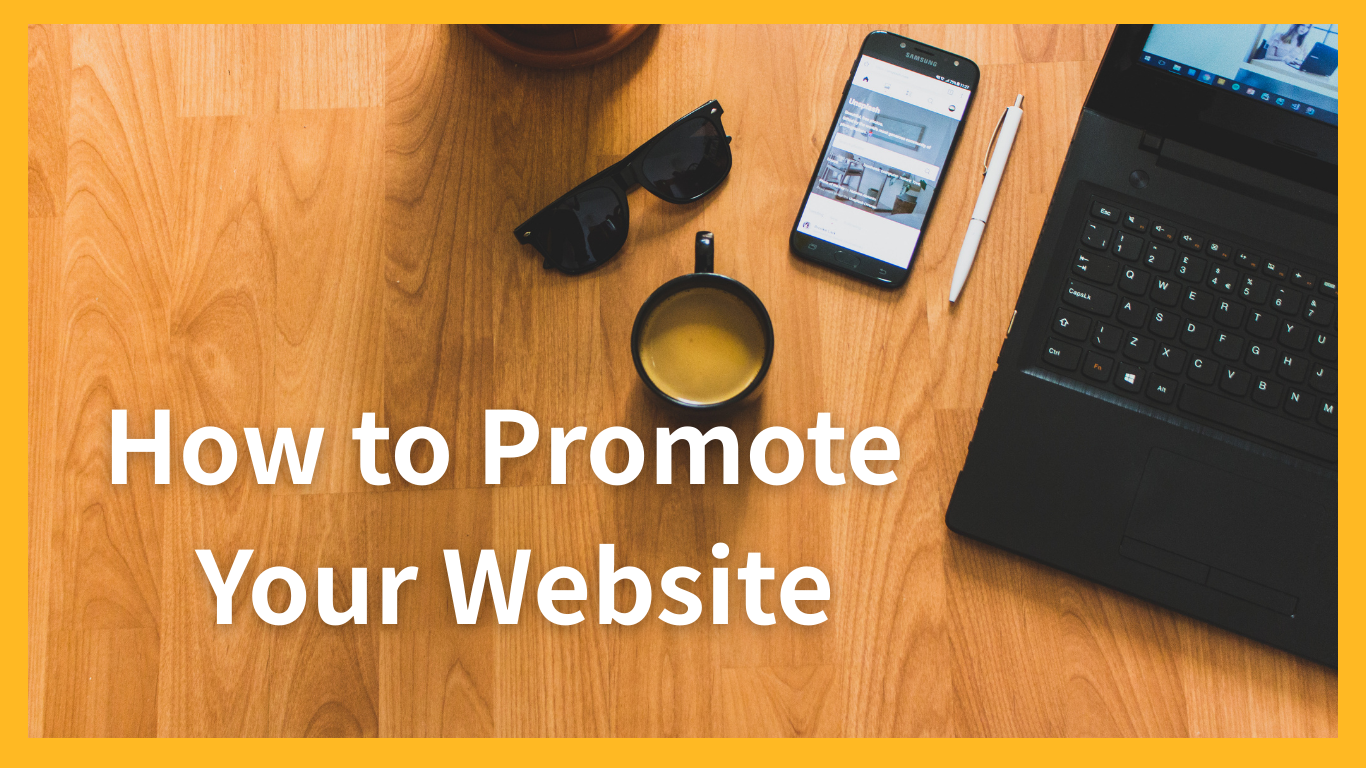
source:https://unsplash.com
The Three Core Traffic Channels Explained
Every method of website promotion falls into one of three categories. Understanding these helps you allocate your time and budget rather than chasing every new tactic that appears in a marketing blog.
Organic Traffic
This is traffic you earn rather than pay for. It includes visitors from search engines, content platforms (YouTube, Pinterest), and blog posts that rank for relevant terms. Organic traffic takes time to build but compounds over months and years. A blog post ranking on Google's first page will send visitors to your site every day for as long as it stays there.
Organic search drives 53% of all website traffic, according to BrightEdge research. For most businesses, this is the highest-volume, highest-intent source available because the people arriving through search are actively looking for something you offer.
Owned Traffic
This is traffic from audiences you've already built a relationship with. Your email list, your community, your direct visitors. Owned traffic is the most valuable category because you control it completely. No algorithm changes, no platform fees, no competing for attention.
Email marketing is the backbone of owned traffic. It delivers an average return of $36 for every $1 spent, according to Litmus, and 41% of marketers rank it as their most effective channel. That ROI exists because email reaches people who have already opted in.
Paid Traffic
This is traffic you buy. Google Ads, Meta advertising, sponsored content, and display networks. Paid traffic is immediate but temporary. The moment you stop spending, the traffic stops.
Paid channels work best as accelerators. They're useful for testing offers, retargeting visitors who didn't convert, and scaling campaigns that have already proven profitable through organic means.
| Channel Type | Examples | Cost | Time to Results | Longevity | Best For |
| Organic | SEO, blogging, YouTube, Pinterest | Time investment | 3-6 months | Compounds indefinitely | Long-term sustainable growth |
| Owned | Email, communities, direct traffic | Low (tool costs) | Weeks | Permanent (you own it) | Retention, conversion, loyalty |
| Paid | Google Ads, Meta Ads, sponsorships | Per-click/impression | Immediate | Stops when spend stops | Testing, scaling, retargeting |
SEO: The Foundation of Website Promotion
If you're going to invest in one strategy to promote your website, SEO is where your effort will pay off most over the long term. It's also the area where most beginners either overcomplicate things or dismiss them as too technical to bother with.
SEO is the practice of making your website easier for search engines to understand and more useful to the people searching for topics you cover.
Keyword research is figuring out what your potential visitors are searching for. Tools like Google's Keyword Planner, Ubersuggest, or Ahrefs show you the specific phrases people type, how many searches each gets, and how competitive the landscape is. The goal is to find terms that are relevant to your business, searched frequently enough to matter, and achievable given your site's current authority.
Search intent matters as much as the keywords themselves. Someone searching "what is email marketing" wants information. Someone searching "best email marketing tools" wants a comparison. Someone searching "Mailchimp pricing" is ready to buy. Your content needs to match what the searcher expects to find.
On-page optimisation means structuring your pages so search engines can easily understand what they're about. This includes descriptive title tags and meta descriptions, logical heading hierarchy (H1, H2, H3), keywords placed naturally in your first 100 words and subheadings, alt text for images, and clean URLs.
Internal linking connects your pages in ways that help both visitors and search engines navigate your site. Linking related content creates logical paths that keep people browsing longer and helps search engines understand how your pages relate to each other.
Technical SEO covers the behind-the-scenes elements that affect crawling and indexing. Page speed matters (53% of users abandon pages that take longer than 3 seconds to load on mobile), along with mobile responsiveness, sitemap.xml files, and robots.txt configuration.
Readdy's SEO configuration handles much of this automatically. The AI website generator produces semantic heading structures, meta descriptions, clean URL slugs, and sitemap.xml and robots.txt files with a single click. You can use AI-assisted optimisation to improve titles and descriptions, or configure everything manually. For beginners, having this technical foundation built in means you can focus on content rather than configuration.
Five Practical Ways to Promote Your Website
Beyond foundational SEO, these five tactics consistently deliver results at every stage of growth.
1. Start a Blog With Strategic Keywords
A blog gives you a reason to publish regularly, a way to target long-tail keywords your main pages can't, and content to distribute through every other channel. Each post is another entry point for search traffic.
The key is writing about topics your audience is searching for. Use keyword research to identify their questions, then write comprehensive answers. A physiotherapy clinic might publish "exercises for lower back pain at a desk job." A web design agency might cover "how to choose colours for a business website." Small businesses are 23% more likely than average to see ROI from blog content, according to HubSpot's 2026 State of Marketing report.
2. Try Guest Blogging in Your Industry
Writing for other websites puts your name and link in front of an established audience. Guest posts on reputable sites build authority (which strengthens your own SEO) and drive referral traffic. Look for industry publications and niche blogs that accept contributions, and pitch topics that genuinely serve their audience.
3. Build an Email Capture Funnel
Every visitor who leaves without giving you a way to reach them again is a missed opportunity. An email capture funnel collects addresses through newsletter sign-ups, downloadable resources, or account creation, then nurtures contacts through regular communication.
Start simple: a sign-up form on your homepage and key blog posts. Offer something worth subscribing for. Readdy integrates with Mailchimp, so you can connect capture forms directly to your mailing list without manual handling.
4. Repurpose Content Across Platforms
A single blog post can become a LinkedIn article, a Twitter thread, an Instagram carousel, a YouTube script, and an email newsletter. Create your best content once in long form, then adapt it for each platform. A 2,000-word guide becomes five short tips on Instagram, a discussion on LinkedIn, and a summary in your newsletter.
5. Build Backlinks Through Outreach
Backlinks remain one of the strongest ranking signals for search engines. The more reputable sites that link to your content, the more authority search engines assign to your domain.
Effective link building means creating content genuinely worth linking to (original research, comprehensive guides, useful tools) and letting relevant site owners know it exists. Resource pages, industry roundups, and broken link replacement are legitimate approaches that work when you have something valuable to offer.

source:https://unsplash.com
Social Media as Amplification, Not Foundation
Social media drives roughly 4% of total website traffic globally. That number surprises most people, because social platforms feel central to modern marketing. The reality is that social media is excellent at building awareness and distributing content, but unreliable as a primary traffic source.
Social platforms are designed to keep users on the platform, not send them to your website. Algorithm changes can reduce your reach overnight, and organic visibility on Facebook and Instagram has declined steadily for years.
The smarter approach: share blog posts, behind-the-scenes content, and customer stories to build an audience, then direct them to your website where you can capture their email and build a relationship that doesn't depend on an algorithm. Social media is the loudspeaker, but your website is the venue.
Email Marketing for Long-Term Growth
If social media is rented land, email is property you own. Your list belongs to you. No platform can throttle your reach or change the rules.
The numbers back this up. Email marketing generates an average ROI of $36 for every $1 spent, and 75% of marketers plan to maintain or increase their email investment in 2026 according to HubSpot. B2C brands consistently rank email as their top ROI-driving channel.
Building an effective email strategy doesn't require complex automation from day one. Start with a welcome sequence for new subscribers, a regular newsletter that provides genuine value, and occasional product announcements. A weekly email that subscribers look forward to opening will outperform a fancy automated sequence that feels impersonal.
The most important thing is to start building your list early. Every month without email capture is a month of lost potential subscribers who visited, found your site interesting, and had no way to stay connected.
Paid Traffic: When to Use It
Paid advertising is the fastest way to get traffic, but also the most expensive if you don't use it strategically. The best time to invest is after you've established a few things.
A website that converts
Running ads to a site with no clear call to action or slow page loads is burning money. Fix the foundation first.
A validated offer
If organic traffic has confirmed people want what you're selling, paid ads help you reach more of them faster.
A clear measurement system
You need to know your cost per acquisition, conversion rate, and customer lifetime value before you can determine whether paid traffic is profitable.
Google Ads captures high-intent searches. Meta Ads reach people who don't know you yet but match your customer profile. Retargeting ads, which show your site to people who've already visited, consistently deliver the strongest conversion rates because you're reaching people with demonstrated interest.
Common Website Promotion Mistakes
A few patterns come up repeatedly among site owners putting in effort but not seeing results.
Ignoring technical SEO
Brilliant content won't rank if your site loads slowly, isn't mobile-friendly, or hasn't submitted a sitemap to Google. An AI website builder like Readdy handles most of this automatically, but it's worth verifying your technical basics regardless of how you built your site.
Publishing without a keyword strategy
Writing blog posts about whatever comes to mind is a hobby, not a promotion strategy. Every piece of content should target a specific search term your audience uses.
Relying only on social media
Organic social reach has been declining for years. A single algorithm change can wipe out months of audience building. Social should supplement your strategy, not define it.
Running ads before fixing conversion
Paid traffic amplifies whatever your site already does. If it converts well, ads accelerate growth. If it doesn't, ads accelerate waste.
No email capture
If visitors can browse your content and leave without any way to reach them again, you're losing your most valuable potential customers.
Poor mobile performance
Over 63% of web traffic comes from mobile devices. If your site is slow or difficult to navigate on a phone, you're providing a poor experience to the majority of your visitors.
Common Questions About Website Promotion
How can I promote my website for free?
SEO, content marketing, social media, and email are all free in terms of direct cost. They require time rather than money, which is typically the better trade-off for small businesses. Writing blog posts that target relevant keywords, sharing content on social platforms, and building an email list are effective methods that cost nothing beyond your effort. Readdy includes built-in SEO tools on its free plan, so you can optimise search visibility without additional expense.
How long does SEO take to work?
Most sites see measurable organic traffic within three to six months of consistent effort, though competitive niches can take longer. SEO is a compounding investment: content published and authority built in month one contributes to rankings in month six and beyond.
Is SEO better than social media for how to promote website traffic?
They serve different purposes. SEO captures people actively searching for what you offer, making it higher-intent traffic. Social media reaches people who aren't searching but might be interested, making it better for awareness. For most businesses, SEO delivers stronger long-term ROI because search traffic compounds while social reach is temporary. The ideal approach uses both, with SEO as foundation and social as amplifier.
What is the fastest way to get traffic?
Paid advertising delivers traffic immediately. Google Ads and Meta Ads can send visitors within hours of launching a campaign. But speed and sustainability are different things. The fastest traffic often has the shortest lifespan, while the most durable traffic (from SEO and email) takes months to build.
How much does website promotion cost?
It ranges from free to whatever you're willing to spend. Organic methods cost time but no money. Paid advertising varies widely by industry, from a few pounds per click for niche terms to several for competitive keywords. A reasonable starting budget for paid ads is GBP 300-500/month for testing, scaling only after you've identified what works.
Can I promote a website without blogging?
Yes, though blogging is one of the most effective methods available. Alternatives include video content (YouTube), podcast appearances, guest posting, social media, and paid advertising. A blog is one of the few assets that lives on your own site and compounds in value over time, so skipping it means working harder through other channels to achieve the same organic visibility.
Promotion Starts With Structure
The most effective website promotion starts with a site built for discoverability. Clean heading structures, fast load times, mobile responsiveness, well-crafted meta tags, and a logical content hierarchy give search engines what they need to rank you and give visitors what they need to stay.
Readdy generates sites with semantic HTML, automated sitemap and robots.txt files, built-in SEO configuration, and performance optimisation as standard features. That means you can focus your promotion energy on content creation and audience building rather than debugging technical issues.
From there, the strategy is straightforward even if the execution takes patience. Invest in SEO as your long-term foundation. Build an email list from day one. Use social media to amplify your best content. And add paid traffic only after you've confirmed that your site converts visitors into customers.
Promotion isn't a one-time effort. It's an ongoing process that gets easier as your authority grows, your email list expands, and your content library deepens. Start with the fundamentals, stay consistent, and let the compounding do its work.

Frank Zhu
Frank is the founder of Readdy.ai. A developer-turned-founder with 10+ years of product experience, Frank loves great design, and he's building the tools he wishes he had when launching his first startup.